Raised Bed Gardening or Elevated Dirt

My backyard garden consists of raised beds made from 3-foot round, galvanized steel fire pits. I saw them on sale three years ago at Rural King for $49.99 each, so I bought 16 of them. I do not regret this purchase.
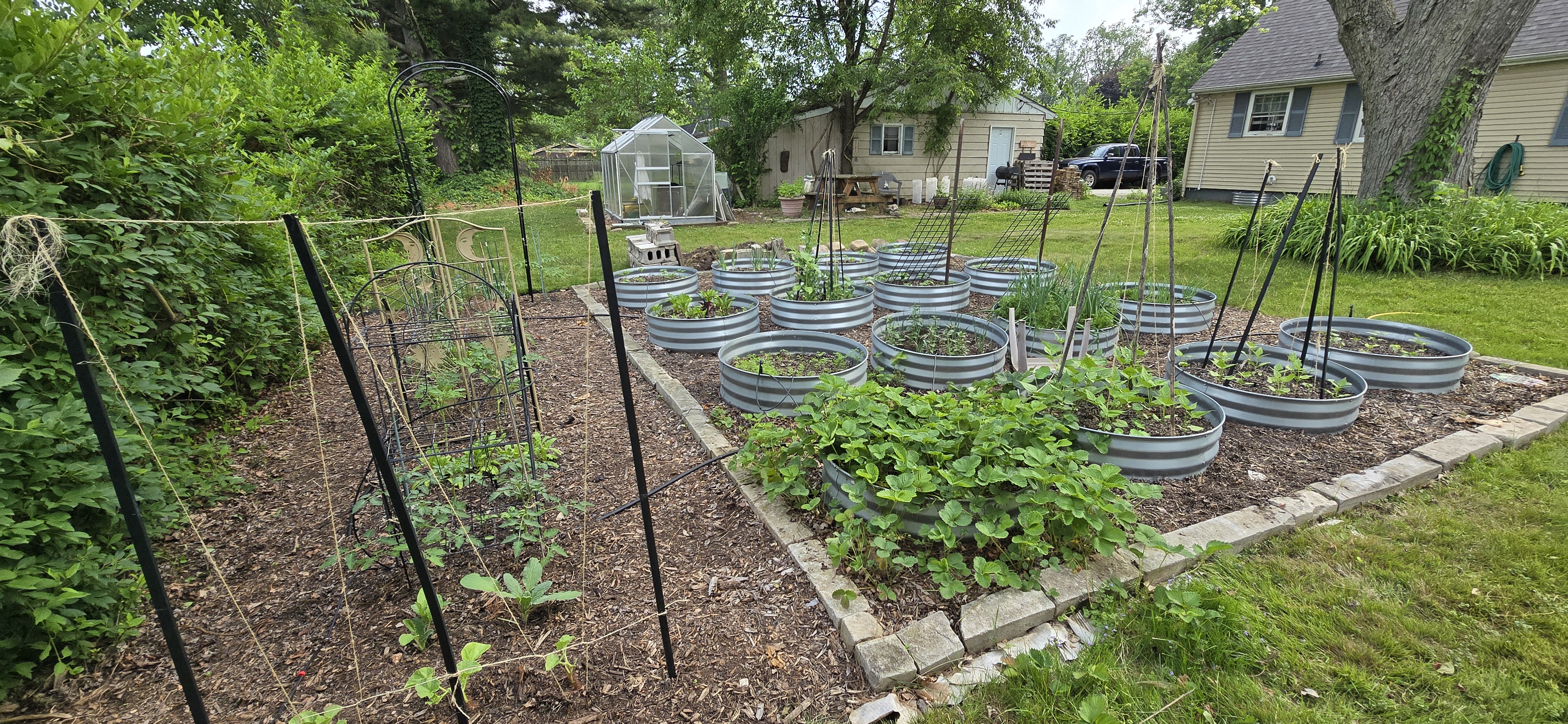
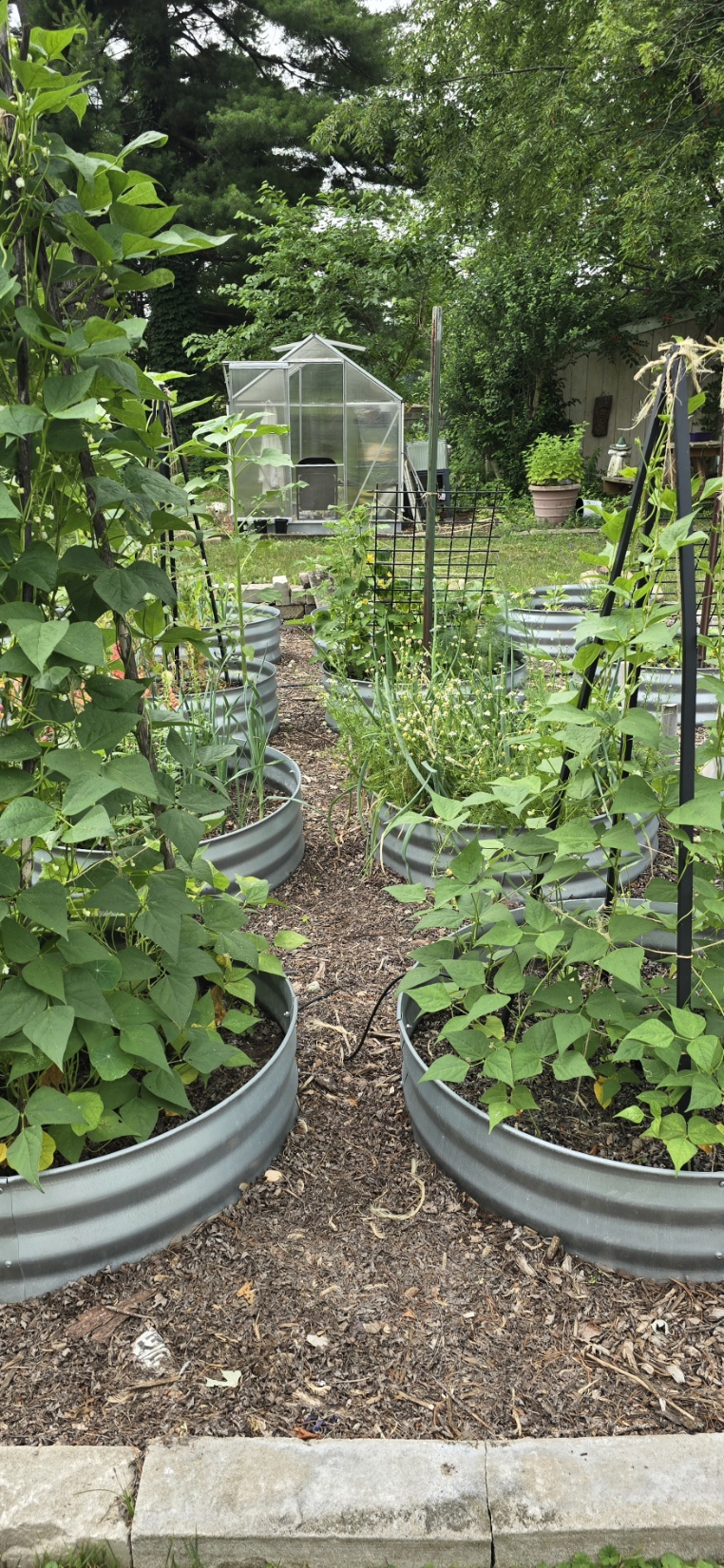
Full photo of backyard raised garden bed with vegetables.
Late May 2025

Many moons ago, I had a traditional in-ground garden, but it filled with weeds quickly and I just could not keep up. Curse you, crab grass!!! I decided to tarp the whole area over late summer into early spring in order to suppress the weeds and start over the next season. Then COVID hit. Unlike many people, when we were all sequestered at home, I had less freedom to go outside in the yard since I was the main caretaker of my disabled son. Not being able to continue our “normal” public lives meant his services ended and I took care of him inside the house.

a photo of raised garden beds containing carrots, chives, leeks, snapdragons, onions, chamomile
Early June 2025

From inside the kitchen, I could look out at the garden space and dream of beautiful, lush green vegetables instead of the ugly, huge, blue tarp that was spread out collecting falling debris from the maple trees. Various stones and bits of cement block held down that awful thing. It was a true eye-sore. However, two years later when I was finally able to get back to gardening, the tarp had done a wonderful job of killing off the weeds. I was able to position the fire pits into the base of what is now our backyard raised bed garden.

I am very happy that I have mostly chosen to go this route as opposed to the traditional in-ground method. The soil in the raised beds is easier to amend based on what I’m planting in it that season as I can curate the acidity levels or organic fertilizer. I don’t have to be careful where I am walking for fear of accidentally stepping on a plant I want to live. Plus, weeding is much easier! Oh, my goodness, is it much easier. I can grab a stool, sit down, and weed. Since these beds are 3 feet in diameter, I can pretty much reach around the whole thing without hurting my back from bending over or being on my knees.
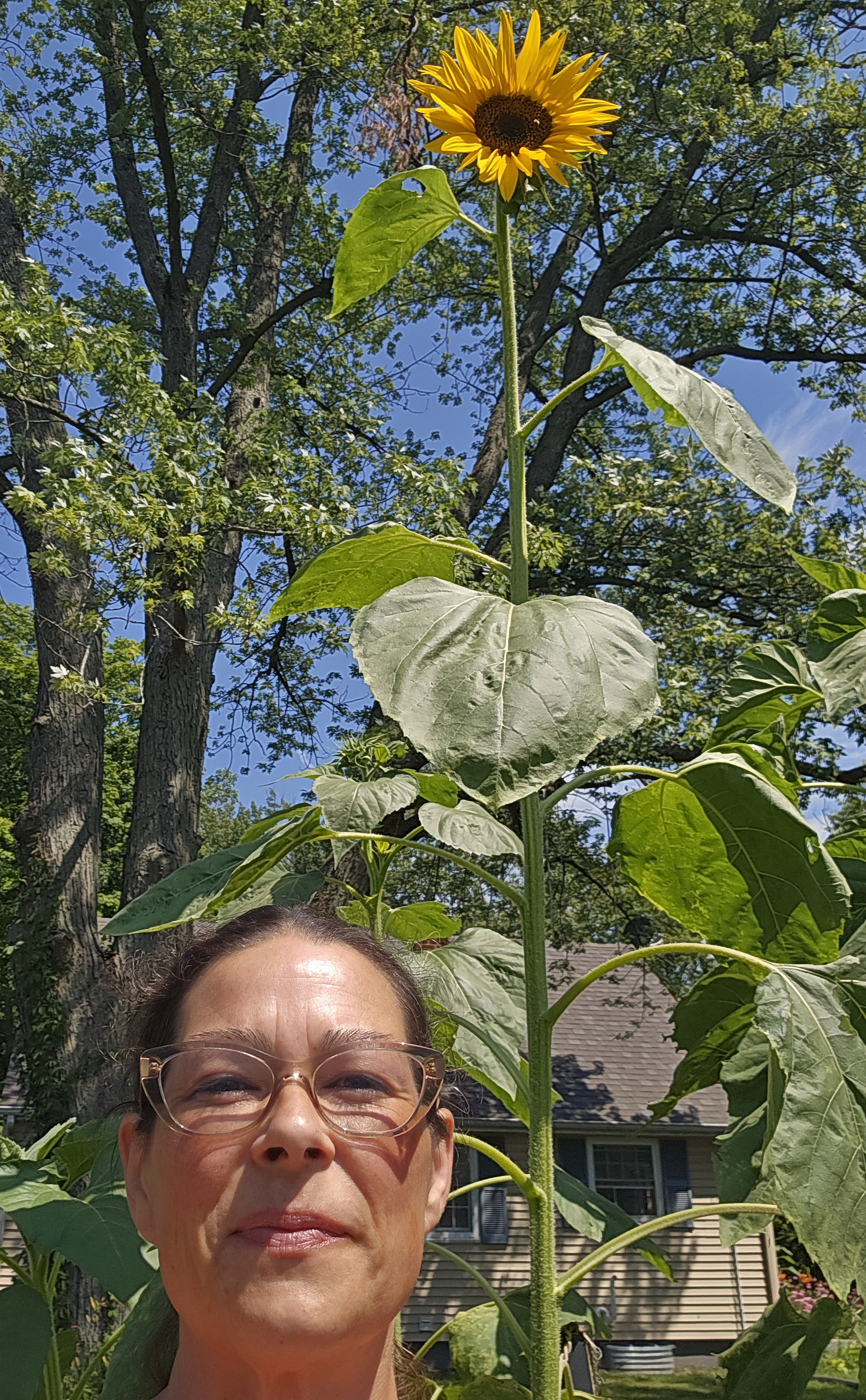
photo of happy 48-year-old gardener, woman who is 5'9" tall standing in front of a 7' tall sunflower in full bloom

Also, raised beds do help deter some pests and critters from getting into the plants. I said “some” like, the really lazy ones. Not the squirrels. They are not lazy; however, they are forgetful. The neighbors have a couple of black walnut trees. I keep finding walnut saplings trying to grow in the beds. I pull them out (often with most of the nut hull still attached), throw it towards the squirrel’s home and shake my fist! Yes, I actually do this.

Every season I get to know how to garden a little better. Raised garden beds have been so helpful and have made gardening easier for me. I also think they look beautiful. Although it may seem weird that placing 16 galvanized steel fire pits, filled with dirt, in a backyard could elevate its look.

In my case, it certainly did.
Affiliate Program https://glowhigh.com/?aff=113

Bushy, Tall, and Green is How I Like My Bean

They’re not just beans; they’re garden-bragging rights!

Since I started a garden, I’ve always added pole beans. They have never failed me. I have grown them up a fence, straight from the ground with make-shift support systems, and in containers, like the time I grew some around an old broomstick handle in a large pot. This last method didn’t work out very well. The bean vines basically just twisted around each other, got very heavy, and weighed down the broomstick handle resulting in a twisted, sprawling mess on the ground. #dnr

I’ve had a raised garden bed system for three years now and each season beans have occupied at least two beds. This year, they are growing in three beds – and for the first time ever – I am growing bush beans, too.

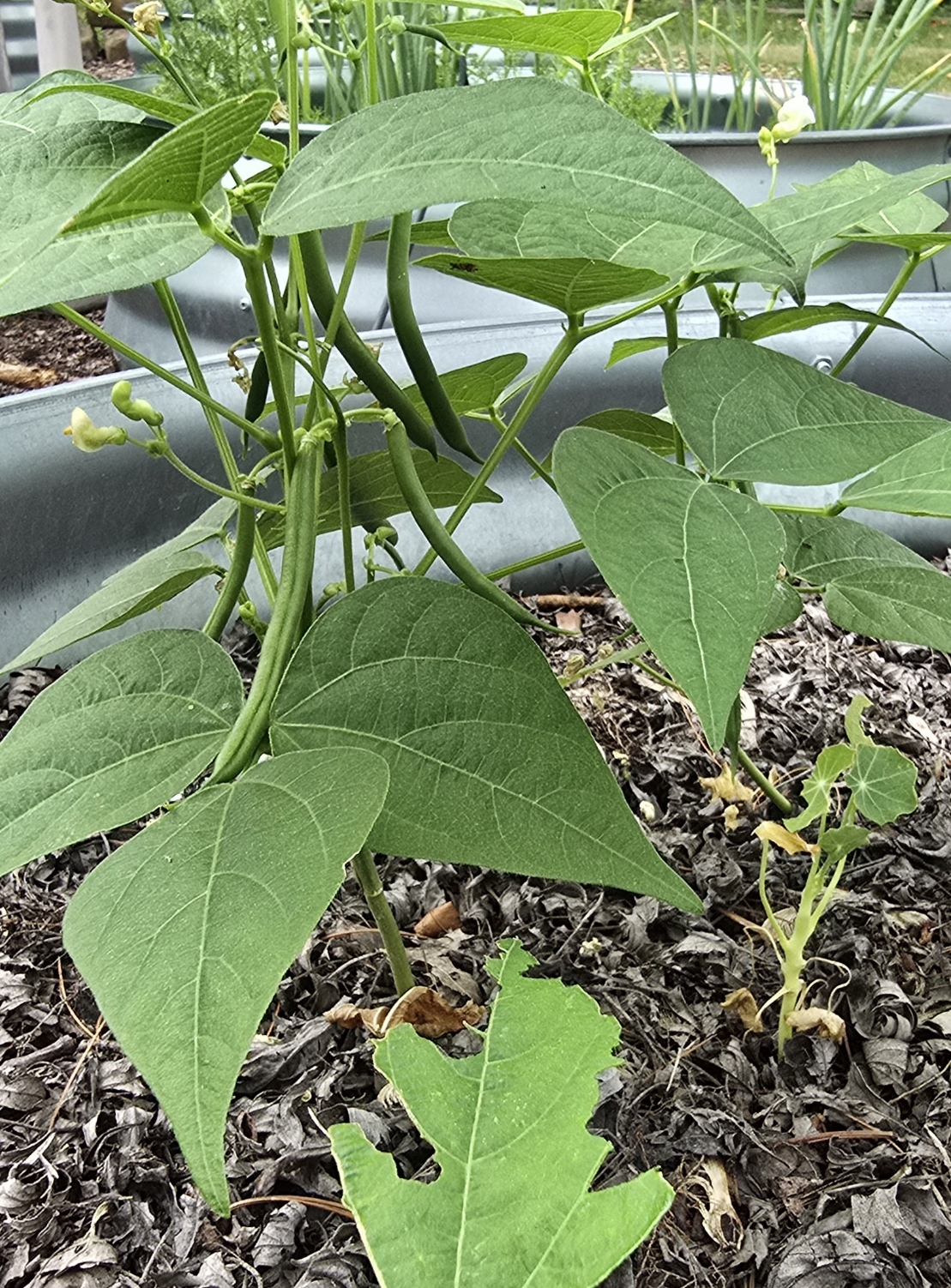
Bush beans "Seychelle" growing in a raised garden bed in northern Indiana zone 6a

Bush beans don’t climb and don’t need support systems like pole beans do. It’s pretty easy to ascertain that information from their respective names. Kinda like, duh, that’s simple. I like simple.

The type of bush bean I decided to grow this year is a variety called “Red Tail.” I read good things. Other people must’ve read good things, too, because they were on backorder for about a month. Good thing I order my seeds early, like, in February, because what else am I going to do in February in northern Indiana except dream about warmer growing weather whilst perusing seed catalogs and dreaming of bountiful harvests?!

Honestly though, I’m not all that impressed with these beans. Yield has been meh. The flavor is meh. Growing them has been frustrating.

The bugs, however, absolutely LOVE them!!! As you can see from the photo, things are being munchy-munched a bunchy-bunch! Three plants were pulled at the beginning of the season and replaced with direct-sown seeds. I also have to spray the base of the plants with soapy water every-other-day in order to keep the pests away (mainly spider mites and aphids). However, I have been getting beans to harvest. My method has been working and I now have (collectively amongst all of the beds) enough beans to make a side dish for dinner. Yay!

In case you didn’t know, pole beans are climbers! For supports, I reused stalks from the giant sunflowers that grew in this bed last year. In the yard, I allow sunflowers (and other flowers) go to seed, so the local bird population has another option for yummy snackage during the winter. Not every bird can afford to vacay in the tropics during the cold season!

Anyway, I formed a teepee structure, tied the tops together with jute twine, then strung some of that jute horizontally around the supports. You can’t see any of that in this photo, because the pole beans have totally encapsulated the jute string. You’ll just have to believe me.

This old, ahem “dog,” has learned a good trick, though. I learned this trick after the whole broomstick falling over from the weight of the twisting bean vines and sprawling all over the ground fiasco. This trick keeps the vine from falling over and growing back down around itself. Here it is…

When the bean vine gets to the top of the support, just pinch it off. Yup. That’s it. Duh, that’s simple. I like simple.

I hope if you garden that you plant yourself some beans of either variety, bush or pole, in order to enjoy fresh green beans.

I will try bush beans again next year. Perhaps, a different variety and I think I’ll plant them closer together. Right now, though, I’m preferring the pole beans. Some of us just need a pole and a little encouragement, I guess.

Thanks for reading! I plan on having weekly blogs and beginning a photo-laden weekly newsletter! Please, subscribe to both. I’d appreciate it.

This has bean fun. Until next thyme!

Sage

When I think of sage, I automatically think of Thanksgiving dinner. There’s always cornbread dressing with sage, sausage, and apples at my house; my turkey is rubbed inside and out with sage; I also burn it as incense frequently in the fall, so just the smell of sage reminds me of harvest time, pumpkin carving, Halloween, and the upcoming winter.

Sage
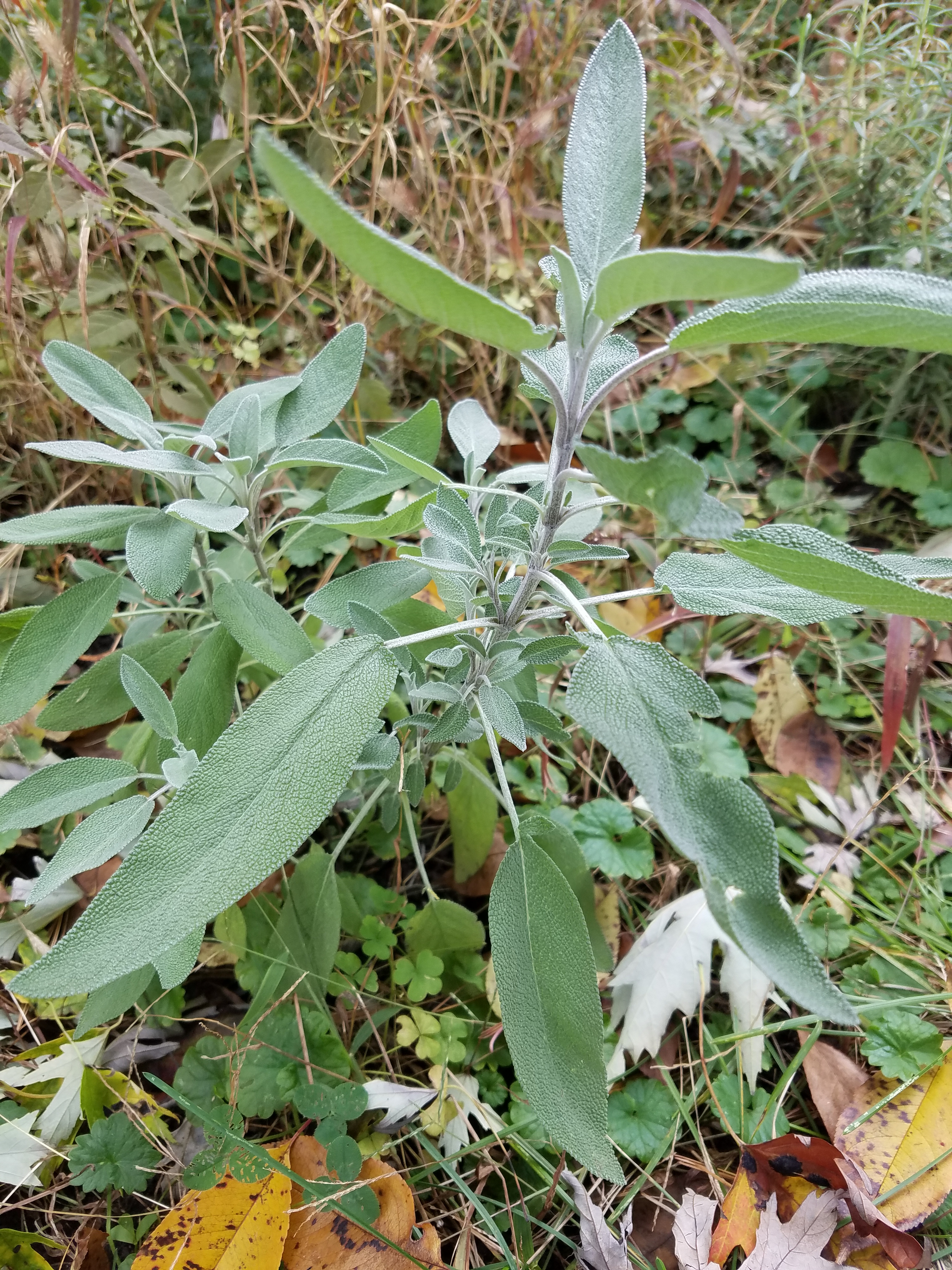
Sage growing in my garden during the fall.

Funny thing is, sage grows all season long in my area. It’s one of the first herbs that I can harvest and one of the last. I just cut some today and it’s still going strong. We’ve had two overnight frosts so far this year and it hasn’t hurt it one bit as evidenced in the photo with the maple leaves that have already turned and fallen onto the ground this October.

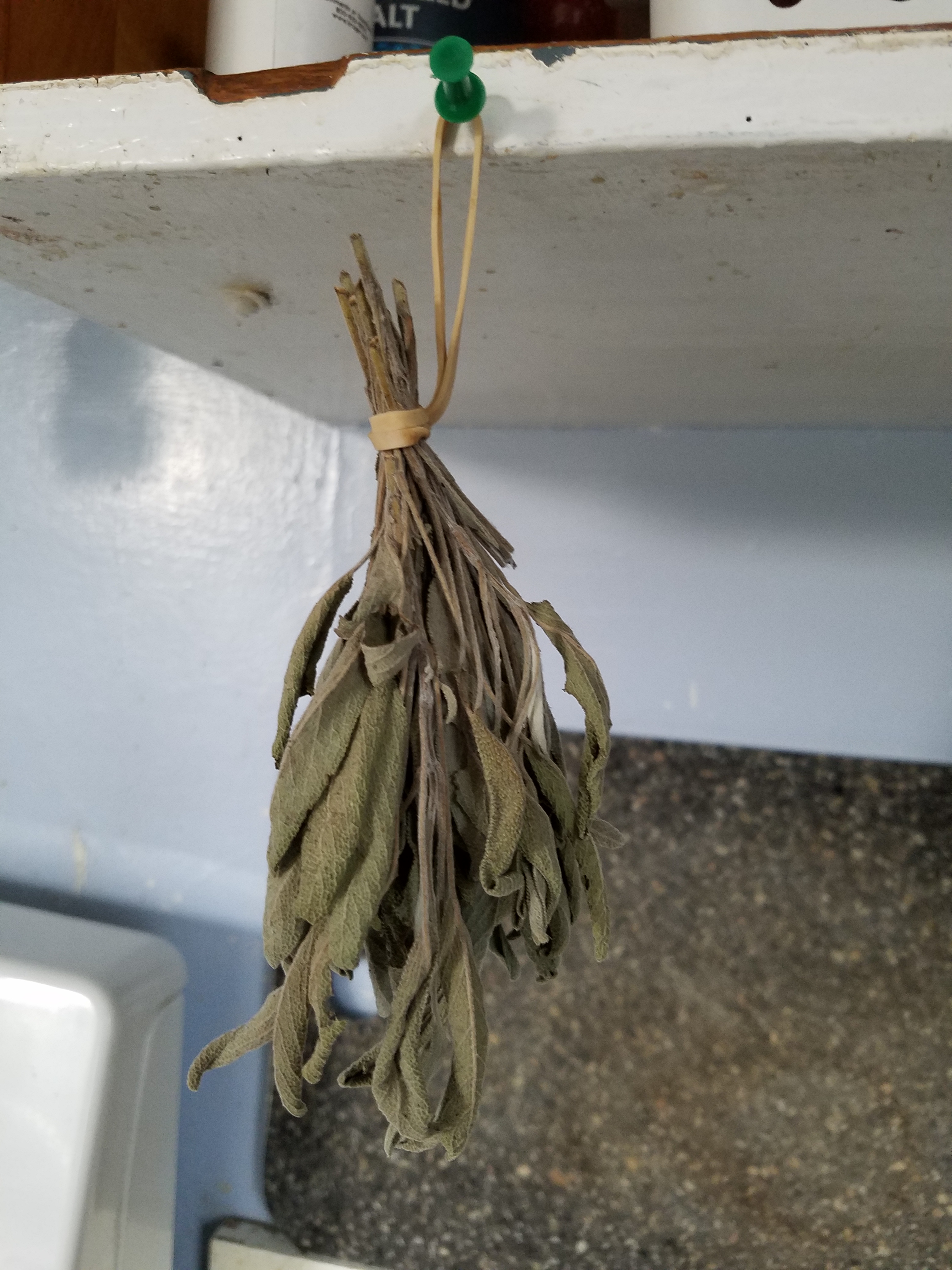
Drying sage is so easy too. I wash it after I harvest it, rubber band a bunch together then hang it upside-down from a push pin. About 7-10 days later, I can seal it up in a container to use whole, grind it in my mortar and pestle, or simply rub the leaves between my hands to make rubbed sage. Organic ground sage and organic rubbed sage runs about $4-6 for an ounce to two ounces. Add the fact that sage is a perennial in zone 5 (where I live) I bought a few live plants for under $10. Talk about cost-savings! Theses plants will last me forever given that I pay some attention to their water needs and that I’ve planted them in the a spot they’ll prosper.

Speaking of which…sage loves sunny to mostly-sunny areas in your yard. It tolerates some drought as it prefers well-drained soil, but you can’t let it get too dry. I’ve planted it next to my rosemary that requires similar conditions and they’ve done great together. Sage is an offshoot of the mint family, so it’s pretty sturdy (even if your son accidentally runs through it in the garden or your cats decide to lie down on it), but it doesn’t have the “take over the garden” aspect that mint does.

Sage dried
Sage drying in my kitchen.

Sage spreads through its root system, so when I planted it, I gave it about one foot in either direction to grow out. Once your sage gets a little too crowded, it easily sets foot in another area by simply dividing it and replanting. I recommend resting the sage plant you’ve divided off and replanted for a season before you harvest it. This will allow the root system to establish itself, store energy for a winter, and then have plenty of energy stored for the following season producing a wonderful new sage plant. Also, I would recommend not dividing a plant that is less than three years-old.

I harvest only the leaves for consumption, but everything on this plant is edible. When I do harvest the plant for other purposes, I leave as much root in the ground to regrow and I use the woody stems for incense once they’ve dried thoroughly (takes about one month). However, you can harvest the whole plants, roots and all, dry it and use for various purposes like teas, tinctures, and salves.

Historically, sage has been  used medicinally in a tea for relief from diarrhea, indigestion, and anxiety. More holistic traditions have used sage for menstruation maladies like cramps, irregular periods, and to help the symptoms of menopause. That being said it is advised by most holistic practitioners not to consume large amounts of sage during pregnancy because it contains estrogen. Always seek a medical professional (CMA disclosure).

Ground sage
Grounding sage in a mortar and pestle.

Sage is a great herb to grow in the garden for teas, incense, medicinal purposes or simply to dry and hang due to its wonderful fragrance when dried. I can’t tell you how much I love this smell. Once you’re familiar with it, you’ll want to savor the scent and you’ll never forget it.

Many artsy-craftsy people make sage wreaths similar to those cinnamon wreaths you find in stores at Christmas just because the smell is so wonderful. I recommend growing it in your kitchen herb garden along with your other favorite go-to herbs, even if you’re like me and tend to use it only in the fall. Trust me, you’ll have amassed enough of a quantity by then to last you well after the holidays.


Native Perennial Series: Chamomile

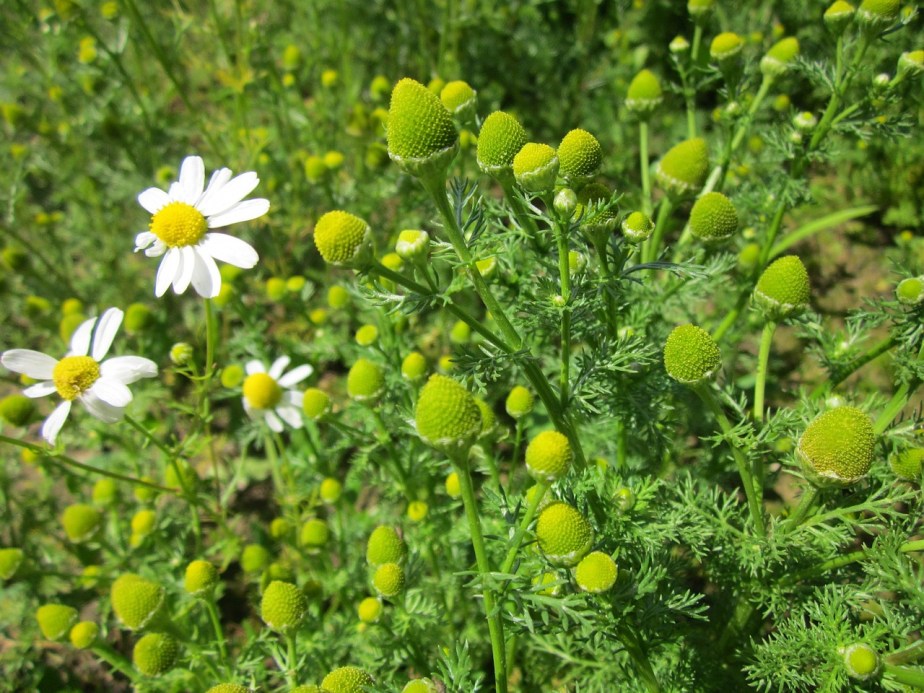
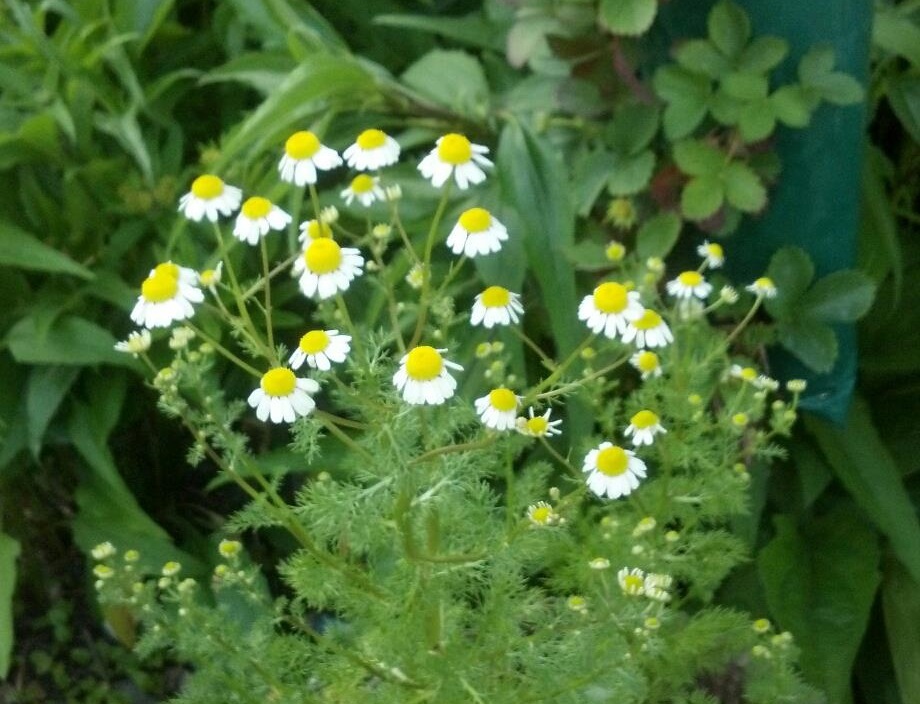
Chamomile is a lovely plant for a garden. It has a soft vanilla fragrance, interesting leather-like leaves, and adds a nice, bright element to the colors of the garden with its small white and yellow daisy-like flowers.

Chamomile, that is native to the United States, is also known as Pineapple Weed or Wild Chamomile. Its Latin name is matricaria discoidea. It has been used for centuries by Egyptians, Romans, and Anglo-Saxons in a tea, tincture, or salve to cure stomach aches, skin irritations, menstrual cramps, and many other ailments. Sometimes this plant is confused with Feverfew  (tanacetum parthenium) as the flowers look similar and they both help thwart headaches.

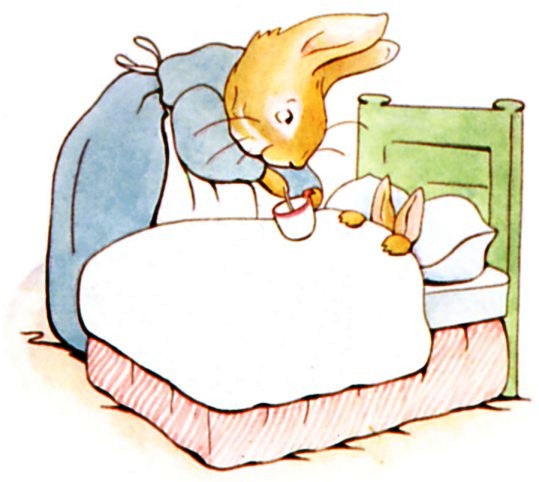
chamomile_peter-rabbitChamomile’s medicinal qualities and its hardy nature also appear in many historical works of literature. Peter Rabbit’s mother gives him chamomile tea to cure his belly ache after he’s eaten too much food in Mr. McGregor’s garden as written in Beatrix Potter’s The Tale of Peter Rabbit.
In Shakepeare’s King Henry IV (part one, act 2, scene 4) Prince Henry is told:

For though the chamomile, the more it is trodden on, the faster it grows, yet youth, the more it is wasted, the sooner it wears.

Good to note that chamomile is an excellent plant to place along the edge of pathways due to its durability. Stepping upon it will release its soft vanilla fragrance with every footfall.

Chamomile easily propagates by seed.

chamomile
Chamomile grown in my very own garden!

Once planted and left to go to seed, those seeds will germinate in the earth and pop up the next spring. Plant chamomile where it is warm and sunny as it prefers sunny areas and well-drained soil.

To save chamomile for drying in use for tinctures, salves, and teas, it is best to clip the flowers the day they open up all the way. They dry easily in brown paper bags and this is the best way to preserve the plant. Add with other herbs in teas, enjoy it by itself, or add it to potpourri for a pleasant smell in the bedroom, kitchen, laundry, or bath.

Chamomile’s vanilla-like scent and unique look will add years of enjoyment in a native perennial garden. Enjoy its beauty while you sip on some calming, chamomile tea!

Read more of my native perennial series here. Thanks for visiting!

Image sources:  Peter Rabbit photo is from http://www.luponde.co.uk/wp/?p=150; header photo is from https://pixabay.com/en/matricaria-discoidea-pineappleweed-846635/; insert photo credit April McLeish

Native Perennial Series: Bee Balm

Bee Balm (or bergamot) is a native perennial to most of the United States and it grows very well in my area of Northwest Indiana.

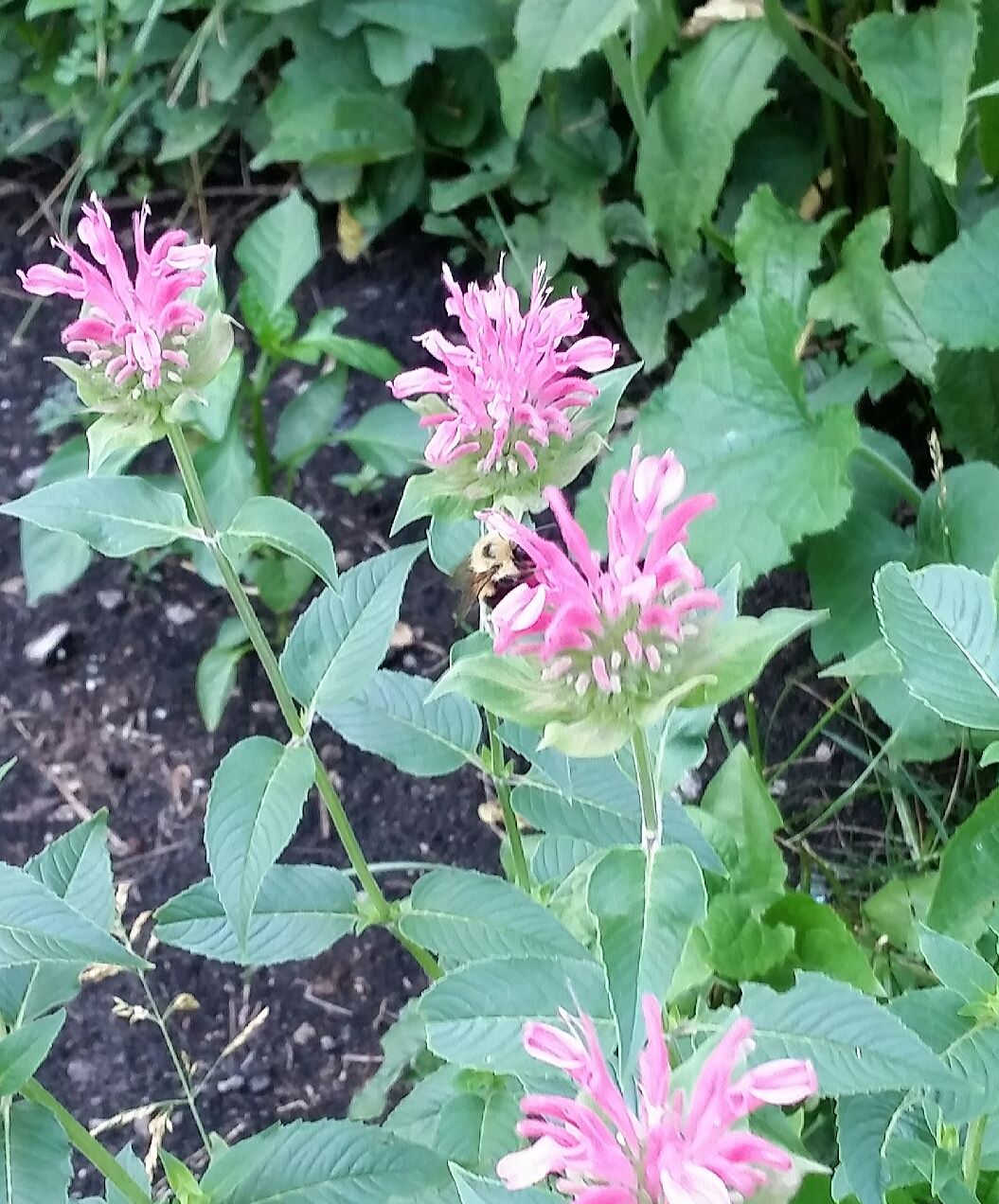
It is an unusual-looking flower that has an unusual, but pleasant, scent like oranges. Bees and other natural pollinators love beebalm! This plant flowers in early summer and lasts for weeks. When the day is at its sunniest, the warmth helps exude this beautiful flower’s fragrance. A person can just walk by it and smell this sweet scent.

Traditionally, Native Americans used beebalm in a tea to help alleviate the symptoms of colds and sore throats. They then introduced this plant to the early settlers who also found it very helpful medicinally.

Whether this plant is used medicinally or simply for ornamentation, it brings a unique architectural element to anyone’s garden. It will propagate by self-seeding, unless it is dead-headed before seeds form. Bee balm grows about three feet tall and its flowers are edible! Throw them in a salad for a nice, citrus flavor.

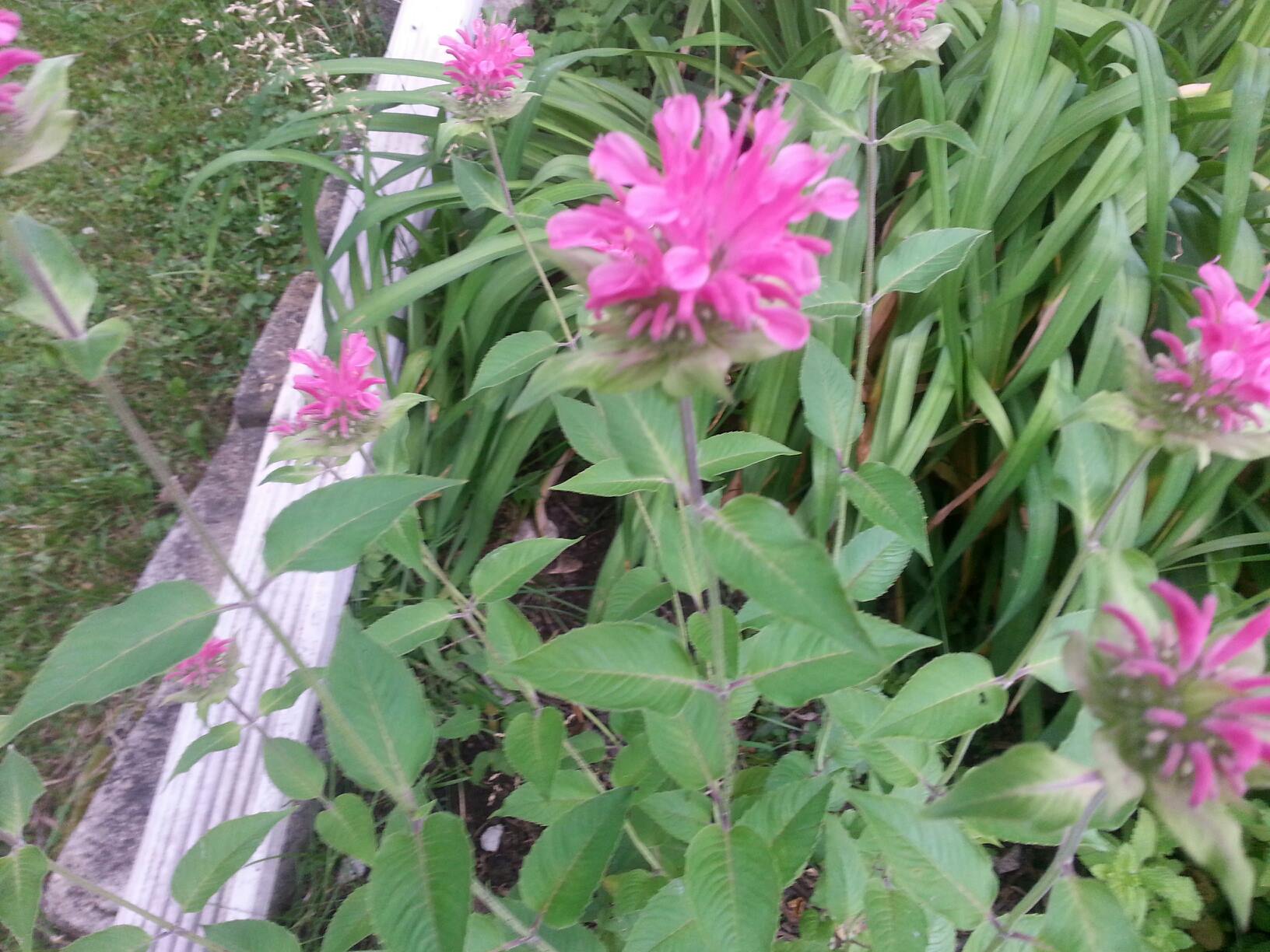
bee_balm
Beautiful blooming bee balm (say that five times fast)

Bee balm comes in different colors, as well. The ones I grow in my garden are a deep pink color (see my photos), but there are also white, purple, and scarlet bee balm varieties (click on the links to see photos).

Sometimes this plant is referenced as bergamot, oswego, wild monarda, or horsemint. Search these names as well in order to find plants or seeds to add to the garden.

Bee balm flower heads dry very nicely preserving its color and scent. This makes bee balm a very popular addition to potpourri. It’s also wonderful in aiding to scent homemade bath salts.

Gardeners won’t be disappointed with this plant. It attracts beneficial pollinators and beautiful butterflies. Since it’s a native perennial, hardly any extra care is needed as it’s disease resistant. The smell of this flower is wonderful, it cuts and dries well, it is easy to take care of, and its benefits include medicinal properties and support for the area’s pollinators.

If you’re interested in other native perennials, check out the rest of my Native Perennial Series on my Garden page. More is added all of the time. Please feel free to comment and share. Let me know if you would like me to showcase one of your favorite native perennials. Send a photo, if you have one, for me to use on my blog! ~ April